

We explore real-life reformation here in this informed, online community.

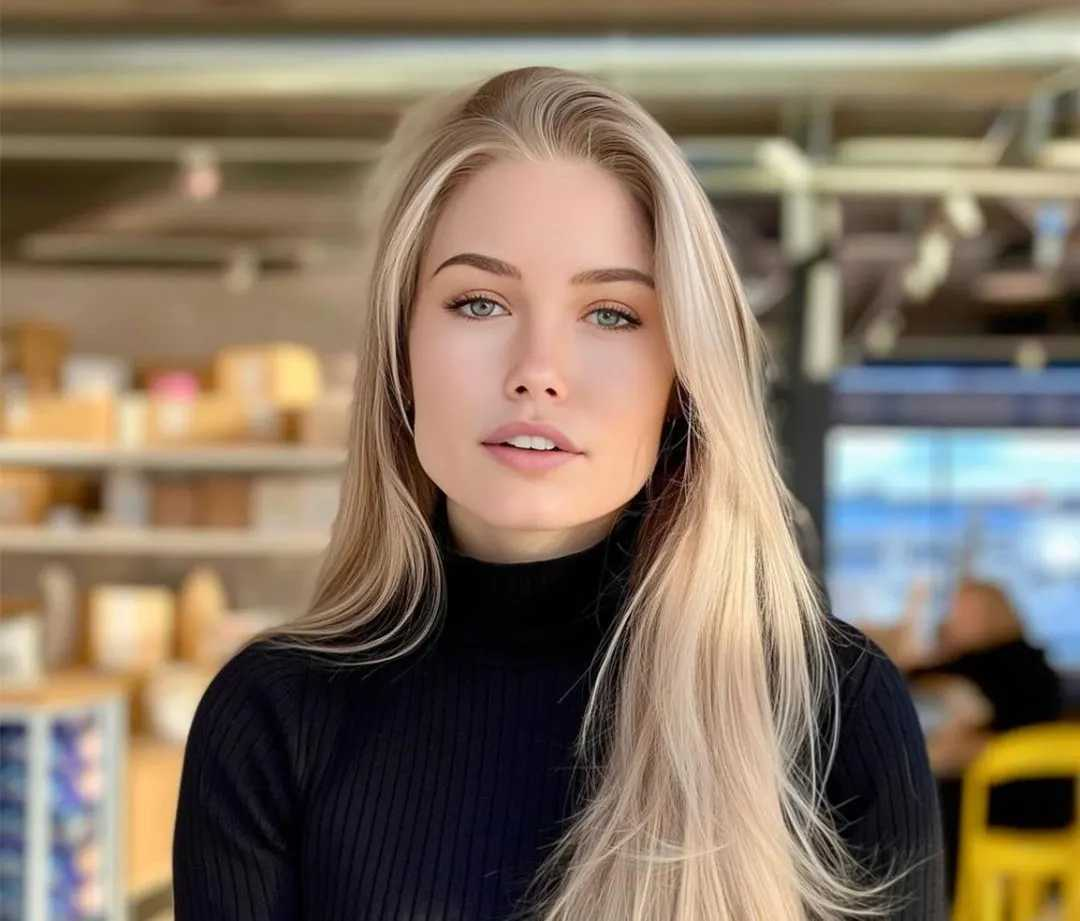
If the contest is digital, the A.I. contestants look like whatever the computer artists design on their computers. They design something out of their respective imaginations – their best attempts at the epitome of feminine beauty.
For the 2024 “Miss A.I.” Beauty Pageant, some of the fake contestants look a lot like the photoshopped human fantasy-standard models that appear on beauty magazine covers. Some look like the Instagram fantasy-standard to which so many desperate female content creators are trying to conform. “Look at how beautiful I am on the outside!”
Some look like Bratz dolls. Some look mean. Some look jaded and miserable.
Why has our culture been pursuing a standard of human beauty that simply does not look human, or beautiful, or real? It's not because the airbrush, photoshop or A.I. technology can’t replicate photorealism. But real beauty is not someone’s exhibitionistic fantasy.
Who will decide the A.I. winners and set a new cultural “standard” of beauty? The organizers of the contest will be using some of the same A.I. algorithms which produced the digital images in the first place - as judges. And so we have artificial judges, artificial contestants, and artificial beauty for our artificial and confused culture. Who will be declared the winner? Who will be deemed the most beautiful?
Well, it will be interesting to see. Some of the designers, who don’t live and work on Madison Avenue or in Hollywood, seem to be sending a message. Less exhibitionism. Less of the sultry. Less makeup. Less immodesty. Perhaps this A.I. exercise will turn into a sincere quest for more natural and objective beauty. Below is one of the imaginary contestants from a real human computer programmer.
Rod Dreher asks, "I don’t understand why the government doesn’t deploy the army and shoot rioters until they stop. Philippe Lemoine, a Frenchman, says it’s not that simple."
Excerpt:
"We have let things rot for so long that, at this point, relying primarily on force to restore order would require a degree of violence far greater than what people realize and what is politically feasible.
It's possible to contain a riot using only moderate force when the number of police officers is high relative to the number of rioters, but when riots are so widespread and involve so many people because you have allowed this kind of things to happen for so long, that's just not possible and you have to use extreme violence to make up for the lack of manpower.
I know people on the Internet will say that it doesn't matter and that we should just do it, but the reality is that most of the people in charge are not prepared to use that kind of force and neither would most ordinary people if they saw ...
Even Marine Le Pen’s recent statements track this line: personal Islamic practice is compatible with the Republic; replacing French law with Sharia is not. French Muslims who are simply citizens practicing their "religious faith" “have no reason to worry” about a Le Pen election victory.
But can one be a practicing Muslim without demanding and practicing Sharia?